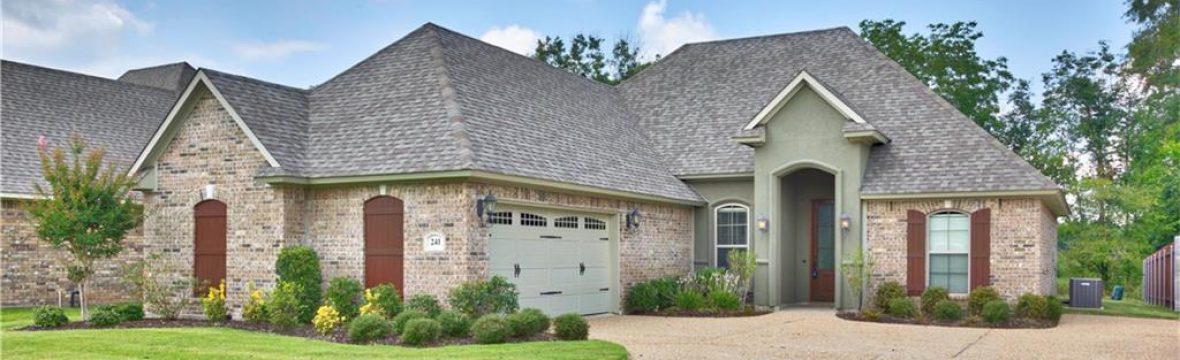


Whether it’s your first time or your tenth, buying a home is always a huge decision. There’s no “one size fits all” way to get ready for home ownership, but taking the time to be financial prepared at the beginning helps ensure you’ll be ready when it comes time to make the big decision.
Here are basic steps to help get you started.
Identify your timeline
Your timeline is always an important factor in creating realistic financial goals that you can achieve before you buy. Military members don’t always have the luxury of advanced planning before a PCS. So if you know you’ll be transferring in two months, it’s probably unrealistic to try and pay off all your debts and save for a big down payment (although you might not need the latter—more on that in a moment).
And keep in mind, most lenders will typically need at least 30 days to close your loan, so plan accordingly.
Understand the costs of buying a home
Buying a house costs money. Not a surprise, right? But how much cash you’ll need at the outset depends on the type of financing you’re using, where in the country you’re buying, and other similar things.
Your costs and fees may include the following:
- Down payment: You’ll typically need a 5% down payment for conventional loans. FHA loans require a 3.5% down payment. Qualified veterans and service members may be able to purchase a home without a down payment using a VA loan.
- Deposit: Buyers often include a deposit, or earnest money, along with their purchase offer. It usually ranges from $100 to $1,000 or more, and can be applied toward the closing costs. Service members who are transferring should talk with a knowledgeable real estate agent about what’s customary at their new duty station.
- Appraisal and inspection: An appraisal helps establish the fair market value of a property and is typically paid outside of closing. An inspection isn’t required but is almost always a good investment. In the Shreveport-Bossier City area you can expect to pay about $350 for the appraisal and about $300-350 for the inspection. Many inspectors are military friendly and will give you a discount, Make sure to connect with me HERE so I can best help you navigate these waters.
- Closing costs: There’s a host of costs and charges linked to closing on your purchase, from origination fees and prepaid property taxes to paying for credit reports and more. Because many military buyers don’t have much in the way of liquid assets or cash paying closing costs can be a burden. But the cool thing about real estate is that everything is negotiable. Therefore, most military buyers negotiate to have the seller pay some or all of these costs. However, the ability to do that depends fuller on the seller’s willingness to cooperate and their ability to help. So if it’s not possible, you will need to pay them yourself. For a $250,000 home in our area you can plan for closing costs to be around $6,500.
Review Your Income, Debts & Buying Power
Unless you can buy a home with cash you will need a lender to assist you in getting a mortgage. Do not neglect in this matter and make sure to speak to someone as soon as you know you wish to buy. The lender will be able to look at your income and current monthly debts to help determine how much home you can afford. The debt-to-income ratio you need can vary depending on the lender, the loan type, and other factors.
Active service members may be able to use the Basic Allowance for Housing (BAH) to qualify for a home loan.
Debt-to-income ratio requirements can vary by lender and loan type. But that doesn’t necessarily mean you should stretch your financial limits.
If your current expenses leave you with little to no savings each month, it might be a good idea to pay down some debts before you buy new home. Keep in mind that home buying also comes with new expenses, including property taxes, homeowners insurance, and maintenance costs which is rolled up in your monthly payment.
One way to prepare for a mortgage payment is to just pretend you already have one. For example, if your current rent is $1,000 but you’re looking at homes with a mortgage payment in the $1,500 range, try saving an extra $500 each month for several months. If your finances feel tight, you might want to consider shopping in a lower price range.
Set financial goals
The more you can strengthen your financial profile, the better your chances are of getting a great deal and making it to closing day. Everyone’s debt and income picture looks different, especially given some of the fiscal challenges of military service.
Here are three key goals to aim for as you ramp up to buying a home:
- Boost your savings: From down payments and deposits to closing costs and the appraisal, you’ll need cash upfront to land a home loan. Set a budget and look for ways to save money. Bonus: Healthy assets can make you more attractive to mortgage lenders.
- Pay down existing debts: Reducing or eliminating monthly debts will improve your debt-to-income ratio, meaning you may be able to increase your purchasing power.
- Remedy possible issues: These issues can be past-due accounts, outstanding collections, and tax liens which can wreak havoc on your home loan chances. Make a list of any financial skeletons in your closet and decide whether it’s possible to settle them before you start the home-buying process. Some red flags such as judgments and liens will need to be cleared up before you can close on a loan.
No matter your personal situation, make sure you take care of the basics while you’re preparing for homeownership. Set a realistic budget, pay your bills on time, and get a feel for what it’s like to have a mortgage payment.
Stability is key when it comes to showing a lender you’re a good candidate for home financing.
**Ryan Wheeler is an expert real estate agent and military veteran serving buyers and sellers of homes in the Shreveport-Bossier City area. Connect With Me Here

 Shreveport-Bossier City Homes and Lifestyle