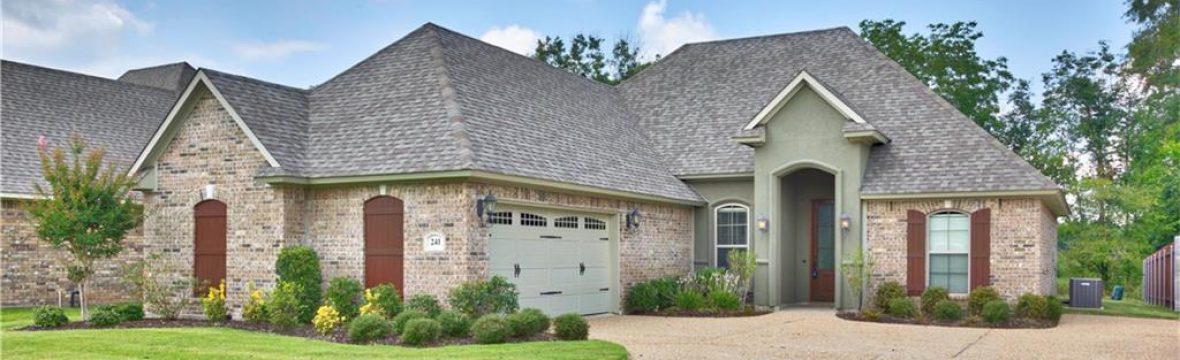


A lot of this should be taken care of by your Realtor as part of the purchase process. But sometimes things get overlooked or there’s confusion if you haven’t done something before. So here are some important tips to be mindful of:
1. Make sure you get a good home inspector. Do whatever it takes. Double-check with your Realtor that they have an inspector that finds all kinds of things. It’s better to get a depressing report that lists every teeny item than to have them miss anything. Do not wait until you close for looking for damage! If you do, then you’re stuck paying for it and fixing it yourself. When you find issues (like, say, water damage or termites), then you include it in the negotiations to either lower the price or to have the seller fix the issue at their expense. If, instead, you wait until it’s too late and check on your own, or check after closing, then you have to handle all the repairs at your own expense and on your own. It’s the inspector’s job to find almost every single thing that could be a problem in a house you’re buying. This includes things like:
-Water damage. (Unless it’s hidden by something permanent, like drywall. Even if it’s been painted over or covered with carpet, a good inspector will know what to look for.)
-WDO (Wood Destroying Organism) damage or any signs of WDOs. There’s a number of ’em out there and a good inspector will see signs of any of them and any damage done by them.
-Pests in general, such as rodents and insects. Even snakes. (Yes, sometimes snakes find their way into homes and live in the crawlspace or attic.)
-Mechanical issues. They should start up the HVAC system and test it to be sure it’ll heat and cool and that it’s all working properly. If you’re on a well, or have septic, they’ll check what they can, but you can never really be sure if the septic is about to be an issue.
-Roofing issues and leaks.
Possible indications of upgrades or renovations that were not done to code. (Sometimes this stuff is hidden by drywall, but they’ll find what they can.)
2. Be sure you have a thorough title search. Every now and then I’ve heard of a property changing hands without a full title search. This process is done by the Title company, but make sure a thorough title search has been done. The biggest thing is to make sure there is no tax lien or dispute of ownership.
3. Be sure to plan out the items that are easier to be done before moving in. For instance, if you want to paint all the interior (not uncommon!) then it’s probably easier to do that before you move in and start thinking about decorating. If you want to start getting stuff in the house, paint the bathroom and the largest room (or rooms). Then you can move the bed and some clothes in and put everything else in the big rooms while the rest of the house is painted.
4. Call Zoning and Planning. If you want to put any additions on, at all, even 10 years down the line, call Z & P before making your offer on it. Give them the address and let them look it up. Find out if there are issues with setbacks, wetlands, flood plains, or zoning regulations that would keep you from doing any additions or renovations you would want to do in the future.
5. Check on any HoAs or if there are any covenants. If there are any, the owner should know and inform you about them, but a good title search will help if, for some reason, they don’t tell you about them. This is also something your real estate ageent will know. Some HoAs are okay, but some are basically like neighborhood nazis who can make living in an area miserable. (I’ve read about people getting fines and complaints for having multiple vehicles parked in the driveway and out front while they were moving into the house!) Also check for covenants. I’ve seen covenants in deeds even without an HoA. One specified that only one single family dwelling could ever be built on a lot. Others were restricting auxiliary buildings (like tool sheds or a detached garage).
6. Check the crime rate. Call the county or city Sheriff’s Department and talk with a deputy or someone else who can tell you about how safe the neighborhood is. Sometimes a county or city will have that data available on their own website, so you can see what kind of police and fire calls have been called in from that area.
7. Bonus: Always check with zoning for future development. If the county has a GIS (Geographical Information Services) website, find it and go there. Check for future plans. When we were looking for land, we found several properties that looked wonderful – until we looked them up on the county GIS. It turned out they were in or near the path of a future planned highway.
While it doesn’t happen often, you don’t want to buy a house and find out later that your quiet neighborhood will be split by a highway or by something else that’s being planned and is public record but which you didn’t know about. In many cases planned projects are on the county/city GIS website, but Zoning and Planning should always know about these issues. I know this sounds like #4, but it’s more. One is checking to be sure you can make any renovations or additions. This issue is the kind of thing that even the people in Z & P will often not think about unless you specifically ask them to check on. Also, when I mention floodplains and wetlands zones, that applies mostly to new construction, but if your house was built before some regulations and is grandfathered in, it’s possible the house could be in the floodplain. While that’s a problem in itself, it could impact what you can do in the yard and with the house in the future.
**Ryan Wheeler is an expert real estate agent and military veteran serving buyers and sellers of homes in the Shreveport-Bossier City area. Connect With Me Here

 Shreveport-Bossier City Homes and Lifestyle