Who Is Responsible for Paying Real Estate Fees?

When it comes to buying or selling a home, from a financial perspective, there’s more to think about than just the home price. There are a variety of fees associated with a real estate transaction—and, as a buyer or seller, it’s important to understand which of those fees you may be responsible for during the process.

recent article from realtor.com aimed to clear up the confusion by outlining who covers common real estate fees, including:

  • Agent commission: Real estate agents make a commission off of every home sale; while commissions vary by agent, they’re often a percentage of the total sale price—a percentage that is then split between the buyer’s and seller’s broker; and then agent gets a portion of that. (So, for example, if the commission is 5 percent, 2.5 percent would go to the buyer’s broker, and 2.5 percent would go to the seller’s broker). Generally, the sellers pay this fee when it’s subtracted from the proceeds of their property sale at closing.
  • Closing costs: Closing costs cover a variety of fees (taxes, HOA fees, loan processing, title company, and insurance fees) that are due at closing—and generally run between 2 and 3 percent of the home’s purchase price in our area. Depending on the home sale—and the negotiating skills on either side—these costs may be covered by the buyer, the seller, or a combination of both.

The Takeaway:

So, what does this mean for you? Whether you’re buying or selling a home, if you’re not sure what fees you’re responsible for (or how much those fees will be), talk to your real estate agent. They can give you deeper insights into what fees you’ll be expected to cover—and how much you should set aside to cover those fees during your home purchase or sale.

**Ryan Wheeler is an expert real estate agent and military veteran serving buyers and sellers of homes in the Shreveport-Bossier City area.  Connect With Me Here
Barksdale AFB Spouses Movers Group | Facebook

Thinking About Buying a Home Near a School? Make Sure to Weigh These Pros and Cons

You’ve found your dream home—but it’s right across the street from a school. So, the question is, will your home’s location near a school be a major plus, or a serious drawback?

recent video from realtor.com outlined the pros and cons of purchasing a home near a school, including:

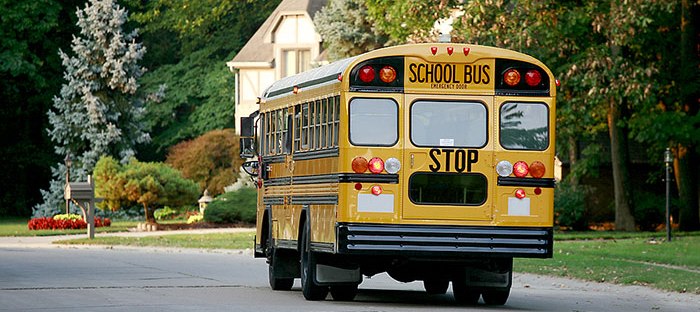
  • Pro: No commute to school. If you have school-aged children (and their ages line up with the grades the nearby school serves), living within walking distance of their school means you don’t have to drive them to school or put them on the bus.
  • Con: More street traffic. Even if your kids can walk to school, the majority of students will still need to be bussed or driven each day—which means significant street traffic at drop-off and pick up times.
  • Pro: Schools = safety. Schools are invested in keeping their students, property, and neighborhood safe, which typically translates to extra security measures, like security guards and cameras. And if you live nearby, you get the secondary benefit of those security measures.
  • Con: Extra noise. Between students playing outside, extracurricular activities, and other after-school events, schools can be noisy places—and if you live near a school, you’ll have to deal with the noise.

The Takeaway:

So, what does this mean for you? Living near a school has its benefits and challenges—and if you’re considering buying a home near a school, it’s important to understand both before you make a decision.

**Ryan Wheeler is an expert real estate agent and military veteran serving buyers and sellers of homes in the Shreveport-Bossier City area.  Connect With Me Here

Barksdale AFB Spouses Movers Group | Facebook

Planning on Buying a House? Avoid These Mistakes That Could Cost You Your Mortgage

The road to homeownership is paved with plenty of opportunities for mistakes—many of which could cost you your mortgage and tank your home purchase.

But if you’ve never bought a home before, you may not be aware of those potential mistakes.

So, the question is, what are the most important mistakes to avoid during the homebuying process?

recent article from The Mortgage Reports outlined major (and costly!) mistakes buyers need to avoid when buying a home, including:

  • Maxing out credit cards. Increasing the balances on your credit cards can impact your debt-to-income ratio, which plays a major role in determining whether you’re approved for a mortgage—and, if so, how much. Credit card debt can also impact your credit score (especially if you come close to maxing out your limits), which can influence the interest rate on your mortgage—and cost you tens of thousands of dollars over the course of the loan.
  • Switching jobs. In order to qualify as a solid candidate for a mortgage, lenders want to see a stable job history and reliable income. Switching jobs or careers as you’re going through the homebuying process can make it a lot harder (if not impossible) to secure financing—so if you’re thinking about moving to a new company (or switching careers entirely!), wait until after you’ve successfully purchased your home.
  • Shopping for homes before getting pre-approved for a mortgage. The last thing you want to do is invest your time and energy into finding a home—and fall in love with a home you can’t afford. You don’t know how much financing you have available until you go through the preapproval process—so make sure to go through that process before you start looking for homes.

**Ryan Wheeler is an expert real estate agent and military veteran serving buyers and sellers of homes in the Shreveport-Bossier City area.  Connect With Me Here

Barksdale AFB Spouses Movers Group | Facebook

Buying a Home? Make Sure to Budget for These Hidden Costs

If you’re planning on buying a home, chances are, you’ve already saved—or are currently saving—for a down payment. But the down payment isn’t the only cost you’ll need to cover when buying a home—and if you want to have enough cash to successfully purchase your home, you’ll need to budget for those additional costs as well.

But outside of the down payment, what, exactly, are the additional costs you’ll need to cover when buying a home?

recent video from realtor.com outlined the hidden costs of buying a home potential buyers need to be aware of, including:

  • Closing costs. There are costs associated with processing your mortgage and closing your home purchase. These are called “closing costs”—and, on average, they can range anywhere between 3 and 5 percent of the purchase price.
  • Inspections. Buying a home is one of the biggest purchases you’ll ever make, so you want to know any potential problems the house might have. Inspections will help you get a better idea of the condition of your home—and they’re a must if you want to avoid costly surprises in the future. Depending on the number of inspections you’ll need, plan to spend anywhere between $400 to a few thousand dollars.
  • Association fees. If you’re moving into a home that’s part of a homeowner’s or condominium association, you’ll typically have to pay association fees. Make sure you understand those fees before you buy the home—and that the fees fit in with your overall budget.

**Ryan Wheeler is an expert real estate agent and military veteran serving buyers and sellers of homes in the Shreveport-Bossier City area.  Connect With Me Here

Barksdale AFB Spouses Movers Group | Facebook

Selling Your Home? Make Sure to Ask These Questions Before Choosing a Real Estate Agent

When you’re selling your home, choosing the right real estate agent is one of the most important parts of the process. A great real estate agent can help you sell your home quickly, profitably, and with as little stress as possible—while a not-so-great agent can make the process longer and more frustrating than it needs to be.

So, what’s the key to making sure that you choose the right agent for your home sale? Asking the right questions.

recent article from realtor.com outlined key questions sellers should ask before choosing a real estate agent, including:

  • How did you determine the recommended list price? It’s not uncommon for a homeowner to have their own opinion on how much their house should be listed for, and it can often differ from the agent’s recommendation. A solid agent has considerable experience and insight into market values, and will be happy to explain in depth as to how they arrived at their recommendation.
  • Will I be working directly with you? Many real estate agents work on their own, and perform every single task involved in the sale of a house. But other agents either work as a team, or have other assistants that may take on certain responsibilities. Neither is the “right” or “wrong” way to handle a transaction, but it’s important for you to know who you will be dealing with, and what to expect.
  • What is your marketing plan? There are many ways to market a house and while all agents may do similar things, it’s important to know about any specific or different approaches the agent you are interviewing may employ to sell your house fast and for the most money.

**Ryan Wheeler is an expert real estate agent and military veteran serving buyers and sellers of homes in the Shreveport-Bossier City area.  Connect With Me Here

Barksdale AFB Spouses Movers Group | Facebook