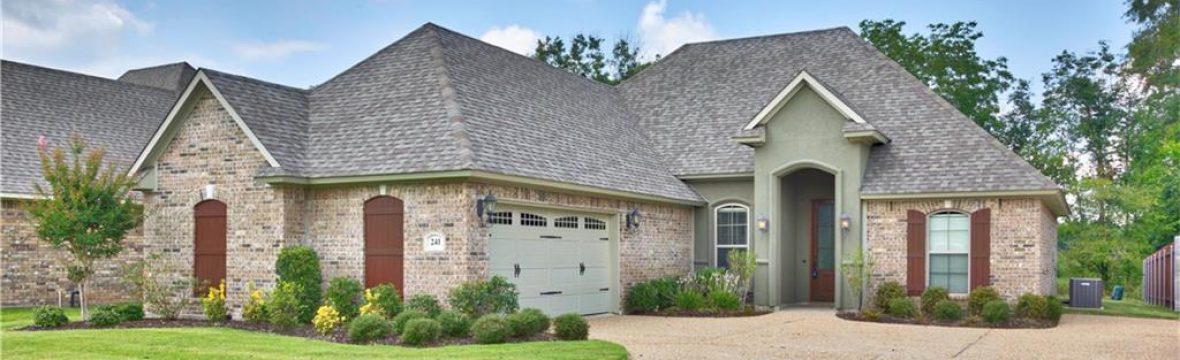

Shreveport Bossier Expert Real Estate Agent Realtor Military veteran buy home sell house Ryan Wheeler moving

Veteran’s Guide to Owning a Home: #7- Why You Need a Military Friendly Agent

Buying a home will likely be one of the biggest purchases of your life. Having a knowledgeable real estate agent to walk you through the process is imperative for a smooth transaction. This is especially true if you’re purchasing with a VA home loan.

VA mortgages come with a host of benefits, including no down payment, low interest rates, and no private mortgage insurance. Along with these benefits come some unique loan requirements. Here are three key reasons why using a military-friendly real estate agent benefits VA home buyers.

1. They understand the unique needs of VA home buyers

Active-duty service members relocate frequently. When receiving permanent change of station (PCS) orders, service members receive 10 days of leave to scope out the new duty station and complete a home search. Choosing an agent who understands this short time frame and can dedicate the time necessary to find a home during this compressed period of time is essential.

Due to frequent relocations, it’s also important for agents to understand the importance of strong resale value. Agents who work with active-duty service members understand they’ll need to identify a home that not only fits the service member’s current needs. The agent also needs to make sure the home has the potential for a quick and profitable resale if the service member receives PCS orders again.

2. They’re passionate about serving those who’ve served

Agents who identify as military-friendly frequently have a passion for serving those who’ve served. Some have served themselves, others have close ties to someone who has, and others simply have a desire to give back to those who’ve given so much for our country.

They’re also passionate about educating veterans and service members about VA home loan benefits. Many of these agents now ask every buyer “Did You Serve?” so they can identify buyers who may be eligible for a VA loan.

3. They understand the unique requirements of the VA loan

The Department of Veterans Affairs has created a few unique requirements for VA loans, to ensure buyers purchase homes that are a solid investment. The VA established a set of minimum property requirements (MPRs) to ensure all homes purchased by veterans and service members are safe, sanitary, and structurally sound.

VA appraisers are tasked with the responsibility of outlining any features not meeting the MPRs, and any issues will likely have to be fixed prior to closing. An agent who’s worked with VA buyers and understands MPRs is a great asset when doing a walk-through on a potential property—he or she can point out possible MPR issues before going under contract.

When selecting an agent to work with on a VA home purchase, buyers should ask the agent about any VA loan expertise.  Make sure they have several of these under their belt.

4. They will have all the local contacts and experts you need.

For example, as your Expert Military and Veteran Agent I already have knowledge of the best VA lenders, appraisers and inspectors who are also experts in their field.  Not only are they the best but they provide discounts to my military and veteran clients.  That gives you peace of mind that you are being taken care of by all the experts to the best of our ability!

**Ryan Wheeler is an expert real estate agent and military veteran serving buyers and sellers of homes in the Shreveport-Bossier City area.  Connect With Me Here

Article sourced from here

Shreveport Bossier Expert Real Estate Agent Realtor Military veteran buy home sell house Ryan Wheeler moving

Veteran’s Guide to Owning a Home: #6- Best Time of Year to Buy

The home-buying experience changes vastly from season to season. Depending on when you’re looking to buy, you’ll face different levels of pricing, housing inventory and competition from other buyers.

For veterans and military members, the challenge is you don’t always get to choose your home-buying timeline. Active duty service members often move every two or three years, meaning military families relocate 2.4 times as often as civilians.

While most people buy in spring or summer, that doesn’t necessarily mean it’s the right time. Each season has its pros and cons, and the best time to buy depends on your own circumstances.

We’re here to help. Let’s take a look at the four seasons of real estate and what veterans and military families might encounter during each.

Spring

Pro: If a home isn’t blanketed in snow (and it likely wont be here in Louisiana), it’s much easier to spot potential problems. Issues with the roof, air conditioning and pool are more detectable after the spring thaw, says Sharon Voss, president of the Orlando Regional Realtor® Association.

Also, there’s a lot less pressure. It’s likely there will simply be fewer buyers in spring, especially on the early side of the season. So buying frenzies aren’t as plentiful—or as frenzied. (But beware: In some markets, the spring season heats up right after the Super Bowl.)

Con: Slightly fewer choices than summer, when inventory hits its peak.

Summer

Pro: It’s simple—there are more homes on the market.

“Inventory is at its peak in June, July, and August. On average across the U.S., a buyer is going to have more choices in those months,” says Jonathan Smoke, chief economist of realtor.com®.

“This can be very good, especially if you’re looking for specific features or want to live in a particular neighborhood,” says Dave Fry, co-owner of the Fry Group in Saint Paul, MN. You’re more likely to find your dream home when more homes are on the market.

There are lots of reasons why summer is the hot season for real estate. High on the list: If you have kids, it’s easier to move the family. “Summertime moves are less likely to conflict with the school calendar,” Voss says.

Con: Of course, there’s more competition. Lots more.

“The potential for bidding wars can be greater during the busy late spring and summer seasons, so you may not be able to get the bargain you were hoping for,” Fry says. Voss notes that you’ll be vying for attention from busy agents, lenders and home inspectors as the market heats up.

And you can expect firm asking prices.

“You may not be able to negotiate, as someone else may swoop in and offer more,” Fry says. Sellers may reject any lowball offers or any offer that comes with specific contingencies or requests. 

Fall

Pro: It’s prime time to negotiate.

“Off-season sellers are typically more motivated, thus more willing to make a deal,” Fry said. Since there are fewer buyers, sellers may be more inclined to entertain lower offers or pay for needed repairs. Lenders may also be willing to negotiate closing costs to win business from a smaller buyer pool.

You might just find a steal. Sometimes a house is on the market during the off-season because of an urgent event—for example, a death in the family or a sudden job change, Smoke says. If you’re in an area that’s dealing with massive employee layoffs, or where companies have left town, there could be a glut of homes on the market priced to sell. 

Con: Once again, less inventory. Most buyers prefer to wait at least until spring to list their home, so buyers looking for that perfect house can end up frustrated.

So there’s a chance you could end up with a straggler. “Some of the homes that are on the market during the slow seasons are available only because, in essence, they’ve already been rejected by the market earlier,” Fry says. Ask your agent why a home hasn’t sold if it’s been on the market for a while.

Pro and Con: Don’t have kids in school? This could be a good time to shop.

“If you’re not as sensitive to the school calendar, you might find it easier to find a home in the fall and winter months,” Smoke says. But if you’re just as much a slave to the school bus as your kids, moving during the school year could be a major challenge.

Winter

Pro: Less competition. By a lot. With fewer people looking for houses, potential buyers are treated with tender loving care. It may be easier to land a better deal when you don’t have to elbow other buyers out of the way.

It’s also a nice time to make an investment. If you’re looking for a home for investment potential rather than a place to live forever, the off-season is a smart time to buy. According to Smoke, investors are more likely to snap up foreclosures and REOs during the off-season.

Con: You thought the pickings were slim in fall? The flow of homes going on the market gets smaller and smaller into the end of the year, and usually reaches its lowest point in December.

It can also be a hassle. Bad weather makes it difficult to get around, holiday obligations can slow down your search and homes become harder to inspect. Snow on the ground—and on the roof—makes an inspector’s job substantially more difficult.

“The cold weather and snow can hide aspects of the home that wouldn’t be as easy to miss if the inspection were conducted in warm weather,” says Mike Mishkin, founder and CEO of Love Where You Live Realty. And while it may not be a structural issue, the same holds true for the landscaping.

Ultimately, the best time to buy a house depends on your own specific needs. But let’s face it: Military members and their families may not even have a choice of timing. That’s where a great real estate agent can be invaluable. So can having an understanding of the seasonal advantages and disadvantages when it comes to buying your home.

**Ryan Wheeler is an expert real estate agent and military veteran serving buyers and sellers of homes in the Shreveport-Bossier City area.  Connect With Me Here

Bossier City Skyline

Open House: Sunday, 30 Sept 2018 from 2-4pm

Stunning design and modern luxury are uniquely embodied in this 4 BDRM, 4.5 bath home in gated Kingston Plantation built in 2015. This home’s open concept living area is an entertainer’s dream. The top-of-the-line chef’s kitchen is fit with custom cabinets, granite counters and professional-grade appliances. This home features a TRUE master suite that you can truly relax in. Upstairs you will find 2 additional bedrooms with a bonus area. Outside, a patio with Kitchen and fireplace perfect for entertaining!

273 Cattail Trl, Benton, LA

open house

Presented By:

Ryan Wheeler

Realtor
RE/MAX Real Estate Services
318-572-6498
Licensed In: LA
License #: 0995693439

  • Link on Facebook
  • Connect on YouTube
  • Connect on LinkedIn

Logo

$ Click for current price
4 BEDROOMS | 1 (1 half ) BATHROOMS | 3849 SQUARE FEET

Stunning design and modern luxury are uniquely embodied in this 4 BDRM, 4.5 bath home in gated Kingston Plantation built in 2015. This home’s open concept living area is an entertainer’s dream. The top-of-the-line chef’s kitchen is fit with custom cabinets, granite counters and professional-grade appliances. This home features a TRUE master suite that you can truly relax in. Upstairs you will find 2 additional bedrooms with a bonus area. Outside, a patio with Kitchen and fireplace perfect for entertaining!

Licensed in the state of Louisiana. Each office independently owned and operated.

Shreveport Bossier Expert Real Estate Agent Realtor Military moving veteran buy home sell house Ryan Wheeler

Veteran’s Guide to Owning a Home: #5- Benefits for the Veteran

Veterans, service members, and their families believe in homeownership. In fact, the homeownership rate among veterans far outpaces that of civilians.
But the financial toll of military service can make it tough for some veterans to get a financial foothold, let alone land a home loan.

The good news is those who serve have access to a host of home-buying benefits and protections, from what’s arguably the most powerful home loan on the market to financial safeguards and more.  Let’s take a closer look.

VA loan program

Since the VA loan program’s inception in 1944, the Department of Veterans Affairs has backed more than 21 million loans for veterans, active-duty military members, and their spouses. This program has made buying a home more accessible to those who most deserve the American dream they helped build and protect.

VA loans feature many benefits that help make home buying possible, including the following:

  • No down payment requirement
  • No mortgage insurance
  • Lower average interest rates
  • Limits on closing costs
  • More lenient credit requirements

VA home loans have boomed in recent years, attracting many veterans and military members who may not qualify for conventional loans, which have stricter credit requirements.

Still, many eligible buyers are unaware of the benefits of VA home loans and the protections they offer. Some buyers also make the mistake of assuming a government-backed loan comes with endless red tape and miss an opportunity to benefit.

Typically, veterans and active-duty service members are eligible for a VA home loan if they served in the following capacity:

  • 90 consecutive days on active duty during wartime
  • 181 consecutive days on active duty during peacetime
  • 6 or more years in the National Guard or Reserves

Some spouses of military members who died in the line of duty or of a service-related disability may also be eligible for a VA loan.

Talk with a VA lender about obtaining your Certificate of Eligibility and getting a sense of your purchasing power.

Occupancy & power of attorney

VA loans are focused on getting buyers into homes they’ll live in full time. But the program makes exceptions for some veterans and active-duty service members.

For example, a spouse or children may be able to fulfill the occupancy requirement on behalf of a VA buyer. Also, a VA buyer who is deployed or otherwise unable to manage the loan process can typically assign a power of attorney to a spouse or family member to manage the loan process and sign documents.

There are two types of power of attorney: general and specific. The type needed depends in part on what loan-related documents the VA buyer can sign.

The occupancy and power of attorney options mean an eligible VA buyer’s spouse and children could buy a home during a deployment or unaccompanied assignment, helping alleviate the emotional toll of multiple moves on military families.

Basic allowance for housing

Many active-duty military members who receive a monthly housing allowance are surprised to learn that they can use this money to qualify for a home loan. Lenders can count Basic Allowance for Housing (BAH) as effective income. That can help service members make the leap from renting to owning, especially in higher-cost areas.

BAH is based on several factors, including the location of your duty station, your pay grade, and your family size. The housing allowance can change on an annual basis. To calculate your BAH, refer to the BAH calculator on the Defense Department’s website.

Financial protections

Even after becoming homeowners, active-duty service members can face unique financial challenges. Deployment and changes of station can strain a family emotionally and financially.

The Servicemembers Civil Relief Act (SCRA) provides active-duty military personnel and their families financial protection involving interest rates, income tax payments, eviction, foreclosure, and more.

For example, military personnel can ask creditors—including their mortgage lender—to cap their interest rate at 6% during their term of service. The SCRA also forces lenders and servicers to seek a court order to foreclose on active-duty military members during their time of service and up to nine months afterward.

Veterans Affairs also offers foreclosure avoidance protection assistance for homeowners. The VA has a team of experts who work with lenders and servicers on behalf of struggling homeowners to find alternatives to foreclosure. Their efforts have helped nearly 500,000 veterans and service members avoid foreclosure in the past six years alone.

**Ryan Wheeler is an expert real estate agent and military veteran serving buyers and sellers of homes in the Shreveport-Bossier City area.  Connect With Me Here

Article sourced from here

Bossier City Skyline

8 Tips Movers Use That You Should Know!

movers-move

No one knows how to move like professional movers. That’s their job, after all. And that got us wondering: Once the day arrives where they have to pack up their own stuff and get from point A to point B, how do they go about it? Is it different from how the rest of us muddle through?

We asked. And movers answered, revealing that through their work experience, they’ve picked up a ton of smart strategies they put into practice personally when they relocate. If you’re tired of moving day being an exhausting, expensive slog, check out these insider tips to make it easier, cheaper, and, dare we say, almost pleasant.

1. They time their move to save money

As a rule of thumb, people in the moving industry load up a moving truck on a weekend that falls mid-month, says Ross Sapir, president of Roadway Moving Company. This tactic avoids both the headaches of weekday commuter traffic and the higher prices at the beginning and end of each month, when most people move.

Pro tip bonus: Reserve a moving company or moving truck at least seven days in advance, to ensure you get your preferred date.

2. They pay for real moving boxes

Scavenging free boxes at the grocery store may seem like a great idea.

“But oftentimes, it ends in disaster, when boxes with a limited weight capacity split or get crushed,” says Terese Kerrigan, director of marketing communications at FreightCenter.com. Professional movers spend the extra cash on boxes that have a box maker’s certificate and provide the most protection.

Pro tip bonus: Lift your boxes and give a gentle shake. “If you hear anything moving, you need to repack, because items may break,” says Lior Rachmany, CEO and founder of Dumbo Moving and Storage.

3. They number their boxes by weight

“Label your heaviest boxes with a ‘1’ and the lightest, or most fragile boxes, with a ‘5,’” says Kyle Miller, communications director at GetBellHops.com, a company that combines tech and moving. Everything in the middle then gets labeled accordingly. With this system, you can quickly identify which boxes should be on the bottom—heaviest or “1”—of the truck and which boxes should be stacked on top.

Pro tip bonus: Pack heavy items in small or medium boxes and light things in big boxes when possible. That way, none of them end up too heavy or light.

4. They saran-wrap dresser drawers

Moving dresser drawers? Remove the drawers, grab some plastic wrap, and wrap each drawer individually, with the clothes still in them, says Miller. For one, a drawerless dresser is light and easy to move—and keeping clothes in the drawers cuts down on boxes. Win-win!

Pro tip bonus: Put knives wrapped in paper inside potholders to keep them from poking anything.

5. They place their packed boxes near the front door

When most people pack up a room, they leave the boxes in that same space. Pros pack a box, then move it near the front door. This saves time when movers are loading the truck, which in turn saves you money, says Ann Bass of ALighterMove.com in Weaverville, NC.

Pro tip bonus: Write a brief list of the contents inside on each box filled with a mix of things.

“Or else you’ll almost certainly forget what’s inside when looking for something specific during unpacking,” says Laura Hall, marketing executive at Shiply, an online delivery marketplace.

6. They build custom-size boxes

Pros put as much as possible inside boxes to limit trips to the truck and protect belongings. For unusually shaped items that seem difficult to pack, use multiple boxes to build a custom-sized box.

“You can cut boxes into almost any shape you need,” say Derek Mills at SquareCowMoovers.com.

Pro tip bonus: Box your mattresses! All it takes is a slight bend to break and destroy a spring mattress.

7. They avoid newspapers as packing material

Use clean newsprint-grade packing paper—not actual newspaper—to wrap up your breakables.

“It will save you lots of cleaning on the unpacking side when you don’t have to wash off all the newsprint ink,” says Sharon McRill, owner of relocation management and organizing company the Betty Brigade.

Pro tip bonus: For fragile items, Bubble Wrap™ alone may not be enough.

“Bubble Wrap™ doesn’t really protect from movement inside the box that will occur during the move,” says Rachmany. Make sure to pack any gaps with paper, too.

8. They rent the right hand truck

Besides the risk of damaging your possessions, moving risks damaging your back. Save your vertebrae by getting a hand truck with inflatable wheels to move heavy or large items, says Mike Glanz, co-founder and CEO of HireAHelper.com. Inflatable wheels are much better than solid wheels for moving loads up and down curbs, stairs, and dealing with bad weather.

Pro tip bonus: Rent or buy a strap that you can wrap around the bulky objects to ratchet them into place on the hand truck.

**Ryan Wheeler is an expert real estate agent and military veteran serving buyers and sellers of homes in the Shreveport-Bossier City area.  Connect With Me Here

Article Sourced Here