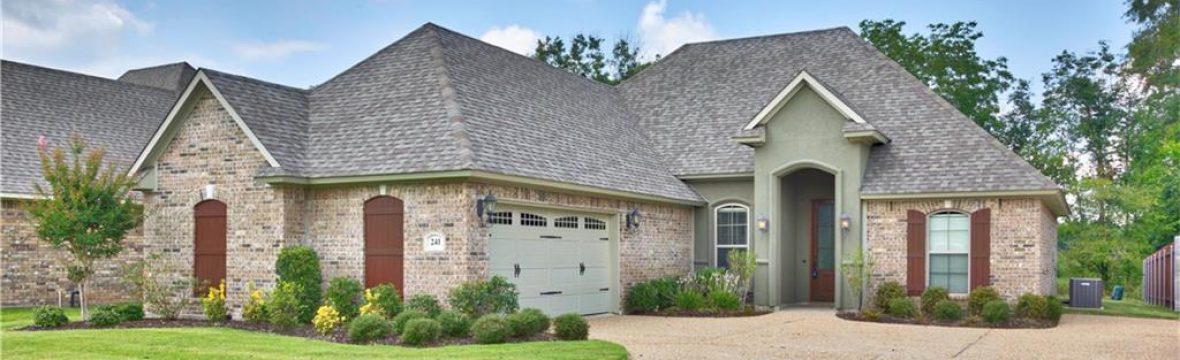

Buying Your First Home? Make Sure to Avoid These Common First-Time Homeowner Mistakes

Buying a home for the first time is extremely exciting. But like any new experience, as a first-time homeowner, you don’t know what you don’t know—and that lack of knowledge can lead to frustrating, challenging mistakes.

But what, exactly, are some of the most common mistakes people make after buying their first home?

recent article from realtor.com outlined some of the most common mistakes made by first-time homeowners, including:

  • Hiring a contractor without researching their background. Hiring the wrong contractor can lead to a lot of wasted time and money, and blindly hiring a contractor is one of the costliest mistakes a new homeowner can make. Before you hire anyone to do a home renovation project (whether that’s remodeling your kitchen, or landscaping your backyard), make sure to do your research, read reviews, and ask to speak to references.
  • Not budgeting for home-related expenses. When you bought your home, you budgeted for the major expenses, like your mortgage. But buying a home can come with a host of new expenses first-time homeowners aren’t used to paying, like homeowner’s insurance, homeowner association (HOA) fees, and monthly utility bills. If you don’t budget for those new expenses, it can put you in the red. When you buy your first home, make sure you’re looking at all the expenses associated with the purchase—and budget accordingly.
  • Putting off routine maintenance. Many first time homeowners don’t realize all the routine maintenance that goes into keeping your home in tip-top shape. And, as such, they let maintenance tasks slide—which can lead to expensive repairs down the road. When you move into your new home, make a checklist of all the maintenance tasks and how often/when they need to be completed—then review the list every month to make sure you’re not forgetting any tasks.

The Takeaway:

There are a lot of mistakes people make after buying their first home. But knowing the common mistakes first-time homeowners make can help you avoid those mistakes—and the headaches, frustration, and expenses that go along with them.

**Ryan Wheeler is an expert real estate agent and military veteran serving buyers and sellers of homes in the Shreveport-Bossier City area.  Connect With Me Here

Barksdale AFB Spouses Movers Group | Facebook

Concessions to Push For During Your Home Purchase—Even in a Seller’s Market

In a seller’s market, demand and competition for properties is high. This gives seller’s a clear advantage—and because of that advantage, they’re typically not willing to budge on the price of their home. And if you ask them to come down on price? They’ll often go with another buyer.

But just because it’s not advantageous to ask sellers to bring down their home price doesn’t mean you can’t ask them for anything. A recent video from realtor.com outlined concessions sellers may be more agreeable to during the home purchase process—even when the market is on their side—including:

  • Home repairs. If, during the home inspection process, you discover the property needs some sprucing up, it’s typically appropriate to ask the sellers to either tackle the repairs themselves before closing or, if they’d rather you manage repairs, to offer a discount to cover the costs.
  • Closing costs. Sellers may not be willing to come down on price. But they’re sometimes willing to help cover closing costs, which can range between 2 percent and 7 percent of the home’s purchase price.
  • Home decor and furnishings. Are you in love with the stainless steel refrigerator in the kitchen? The sofa in the living room? The painting in the upstairs hallway? If so, you can ask the seller if they’d be willing to leave those items behind—and include them in the home purchase. (Just make sure to talk to your lender, as including furnishings and decor in the home sale may change the terms of your loan.)

The Takeaway:

So, what does this mean for you? If you want to successfully buy a home in today’s seller’s market, it’s probably not in your best interest to ask the seller to bring down the price. But that doesn’t mean you can’t ask them to work with you on anything—and even if they won’t budge on price, understanding which concessions sellers may be agreeable to (and asking for them!) can ultimately help you save money on your home purchase.


**Ryan Wheeler is an expert real estate agent and military veteran serving buyers and sellers of homes in the Shreveport-Bossier City area.  Connect With Me Here
Barksdale AFB Spouses Movers Group | Facebook

Buying a Home? Make Sure Not to Waive These Contingencies

Thanks to low inventory and high demand, competition for property has never been more fierce. And in response to the ultra-competitive market, some buyers are waiving their contingencies to make their offers more attractive to sellers.

But no matter how hot the market is, there are certain contingencies you should never waive. A recent article from realtor.com outlined the contingencies buyers should never waive during the home buying process (even in a seller’s market!), including:

  • Home inspection. The home inspection gives you key insights into the condition of the home and any necessary repairs or improvements that need to be made. The home inspection will also alert you to any red flags that the house isn’t what it appears (for example, issues with the foundation)—which is why you should never waive it.
  • Mold remediation. Mold can cause a host of health issues—and if your home inspection reveals that there’s a mold problem, you may want to ask the sellers to take care of it before you move in. Otherwise, you could find yourself dealing with the stress and expense of getting mold removed down the line—or, even worse, managing adverse health effects as a result of the mold issue.
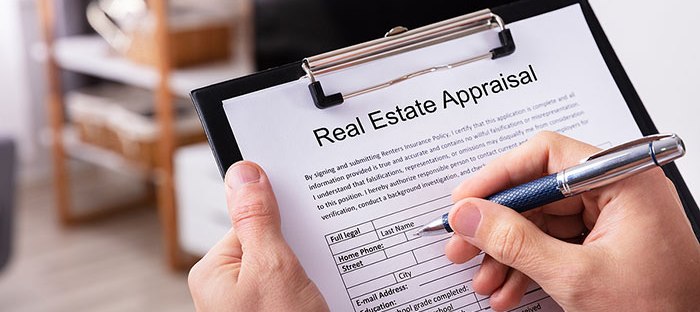
  • Appraisal. If you have a mortgage, you should never waive the appraisal. Otherwise, if the home appraises for less than the purchase price you agreed to, your bank may only cover the amount the home is appraised at—and you could find yourself on the hook for the difference.

The Takeaway:

Bottom line? Waiving contingencies might make your offer more attractive to buyers, but it could translate to a disastrous home purchase—so make sure to keep your key contingencies in place.

**Ryan Wheeler is an expert real estate agent and military veteran serving buyers and sellers of homes in the Shreveport-Bossier City area.  Connect With Me Here

Barksdale AFB Spouses Movers Group | Facebook

Flooding Isn’t Fun—Take These Steps to Protect Your Home

Flooding—whether it’s from a tropical storm, burst pipe, or overflowing bathtub—can cause serious damage to your property. And if you don’t want to deal with excess water damage (and all the costs that go along with it), it’s important to do everything you can to protect your home from floods.

recent article featured in REALTOR® Magazine outlined a few key steps homeowners can take to protect their homes from flooding, including:

  • Purchase flood sensors… Flood sensors alert you when water is present when it shouldn’t be—and placing them strategically around your home, in areas that are prone to flooding (for example, in the basement or bathrooms) can help protect your home.
  • …and an automatic shut-off valve. Flood sensors will let you know when flooding is happening. But if you’re not there to stop it, there’s not much you can do. An automatic shut-off valve can turn off your main water line any time a flood sensor is triggered—which can add an extra layer of floor protection to your property.
  • Invest in flood insurance. You can do everything you can to prevent a flood, but in case a flood does happen, you want to make sure your property is protected. Homeowner’s insurance policies typically don’t cover floods—so make sure to purchase an additional flood insurance policy.

**Ryan Wheeler is an expert real estate agent and military veteran serving buyers and sellers of homes in the Shreveport-Bossier City area.  Connect With Me Here

Barksdale AFB Spouses Movers Group | Facebook

Who Is Responsible for Paying Real Estate Fees?

When it comes to buying or selling a home, from a financial perspective, there’s more to think about than just the home price. There are a variety of fees associated with a real estate transaction—and, as a buyer or seller, it’s important to understand which of those fees you may be responsible for during the process.

recent article from realtor.com aimed to clear up the confusion by outlining who covers common real estate fees, including:

  • Agent commission: Real estate agents make a commission off of every home sale; while commissions vary by agent, they’re often a percentage of the total sale price—a percentage that is then split between the buyer’s and seller’s broker; and then agent gets a portion of that. (So, for example, if the commission is 5 percent, 2.5 percent would go to the buyer’s broker, and 2.5 percent would go to the seller’s broker). Generally, the sellers pay this fee when it’s subtracted from the proceeds of their property sale at closing.
  • Closing costs: Closing costs cover a variety of fees (taxes, HOA fees, loan processing, title company, and insurance fees) that are due at closing—and generally run between 2 and 3 percent of the home’s purchase price in our area. Depending on the home sale—and the negotiating skills on either side—these costs may be covered by the buyer, the seller, or a combination of both.

The Takeaway:

So, what does this mean for you? Whether you’re buying or selling a home, if you’re not sure what fees you’re responsible for (or how much those fees will be), talk to your real estate agent. They can give you deeper insights into what fees you’ll be expected to cover—and how much you should set aside to cover those fees during your home purchase or sale.

**Ryan Wheeler is an expert real estate agent and military veteran serving buyers and sellers of homes in the Shreveport-Bossier City area.  Connect With Me Here

Barksdale AFB Spouses Movers Group | Facebook