
Bossier City Skyline

Veteran’s Guide to Owning a Home: #4- Your Loan Options

Qualified veterans and military buyers can tap into what’s become the most powerful home loan on the market. VA loans feature no down payment, no mortgage insurance, and more forgiving credit requirements than most other loan types.

Still, they’re not the best fit for every veteran. The key is to find the right home loan for you.

Getting a better understanding of all your home loan options can help you make the best financial decision.

Let’s take a closer look at the four major types of home loans.

VA loans

  • Who can use it: Eligible veterans, active-duty military members, and qualified surviving spouses. The VA doesn’t set a credit score benchmark, but most lenders will have one. A 620 FICO score is a common minimum.
  • What it’s all about: VA home loans are backed by the government but issued by private lenders. VA loans offer no down payment requirement, no mortgage insurance, and less stringent credit requirements. VA loan guidelines account for borrowers whose finances may have been affected by their service. Credit score requirements are typically lower than those for conventional loans, and the program allows for more wiggle room when it comes to debt-to-income ratios, credit scores, and assets. They also tend to have lower average interest rates than other loan types.
  • What to watch out for: The VA loan program is designed to help veterans and military members purchase safe, structurally sound homes they’ll occupy as their primary residence. VA loans are not available for investment properties or vacation homes. A funding between 2.5-3.3% of the loan amount helps keep the program going and can be paid upfront or rolled into your loan amount. Buyers with a service-connected disability don’t have to pay this fee.

FHA loans

  • Who can use it: Anyone with at least a 580 FICO score (or lower in special cases), adequate income, and at least 3.5% down may be eligible to use an FHA loan.
  • What it’s all about: Much like the VA program, the FHA program helps increase access to homeownership through lower down payment options, competitive interest rates, and less rigorous underwriting guidelines. FHA loans also tend to have the lowest minimum credit score requirements of all the loan types. Depending on their individual approval guidelines, some lenders will even allow for exceptions to the minimum credit requirement. The FHA’s 203(k) program allows borrowers to purchase and repair fixer-uppers, lending based on a home’s projected value after rehab work is completed.
  • What to watch out for: FHA buyers pay both an upfront funding fee (called a mortgage insurance premium) as well as an annual mortgage insurance charge. The latter can easily add $150 or more to your monthly mortgage payment, and it’s a cost FHA buyers now pay for the life of their loan, regardless of their equity status.

USDA loans

  • Who can use it: Buyers looking to settle in an approved rural area who have adequate (but not excessive) income and an acceptable credit score can use the USDA loan program. USDA lenders often look for at least a 640 FICO score.
  • What it’s all about: Much like the VA loan, the USDA program allows qualified buyers to purchase a primary residence with no money down. USDA-eligible homes are located in what the agency deems qualified rural areas. Buyers need to verify that a property is located in one of these eligible areas. Along with no down payment, another big benefit of USDA loans is that buyers can finance their closing costs.  There are plenty of homes in the Shreveport-Bossier area that fit this bill.
  • What to watch out for: USDA puts a cap on income for eligible borrowers. These limits vary by region and family size and can change annually. Like FHA loans, USDA loans come with both an upfront mortgage insurance premium and an annual mortgage insurance fee.

Conventional loans

  • Who can use it: Anyone with qualifying credit (in the ballpark of a 660 FICO or higher), adequate income, and a 5% down payment in most cases. Some lenders may offer conventional financing with just 3% down.
  • What it’s all about: In terms of credit scores and debt-to-income ratios, these loans have higher barriers to entry than the government-backed options. Conventional lenders are looking for borrowers who have well-established credit, solid assets, and steady income. The upside is that when it comes to the kind of property you can purchase, you’ll have more freedom with conventional financing. That means you can use this type of loan to buy a second home or an investment property.
  • What to watch out for: Buyers putting less than 20% down will pay PMI, or private mortgage insurance, until they build sufficient equity in the property. These fees can easily add $100 or more to your payment every month. Unless you have excellent credit—think 740 or above—a conventional loan may come with higher rates and fees.

**Ryan Wheeler is an expert real estate agent and military veteran serving buyers and sellers of homes in the Shreveport-Bossier City area.  Connect With Me Here

Article sourced from here

Veteran’s Guide to Owning a Home: #3- Loan Pre-Approval is Critical

Whether you’re a first-time homebuyer with a family looking to buy your first house or a retiree looking to settle down, finding a place to call home is an exciting time for veterans and active-duty military members.

But it can also be a stressful time. Getting pre-qualified and, more importantly, pre-approved for a home loan goes a long way toward making your home-buying journey a smooth one.

Loan pre-approval gives prospective home buyers a clear sense of their purchasing power. Pre-approval also shows sellers and their real estate agents that you’re a serious and a strong buyer.  Which can go a long way when it comes to making an offer on a home you love or even working with an agent.  Not every agent will work with someone who doesn’t show they are a serious buyer.

Finding the home you love only to discover you can’t afford it can be very difficult to come back from.  That’s why it’s important to know what your purchasing power is FIRST and then focus on the homes you know you can buy.

So let’s take a closer look at the importance of loan pre-approval.

Pre-qualification vs. pre-approval

Loan pre-qualification and loan pre-approval are two different heads of the same animal. Pre-qualification typically comes after a brief conversation with a lender about your home-buying plans, income, assets, and more. Lenders will ask permission to pull your credit scores, and you’ll need to meet their benchmarks to move on to pre-approval.

Credit score minimums can vary based on the lender, the loan type, and other factors. The good news for military buyers is that VA loans tend to feature lower credit score requirements than conventional loans.

Unlike pre-qualification, which is essentially a conversation, loan pre-approval is a more detailed process that may require you to provide the following documents, among others:

  • A copy of your valid driver’s license or passport
  • Your most recent pay stub or Leave and Earnings Statement
  • Statements from your checking, savings, and retirements accounts
  • A copy of your DD-214 military discharge paperwork or a Statement of Service

Before issuing pre-approval, your loan officer will carefully review your documents. You’ll need to meet requirements for credit score, debt-to-income ratio, and other benchmarks, all of which can vary depending on the lender and the type of home financing. Some loan types have looser requirements than others.

Put your cards on the table

The more documentation you provide upfront, the less work you’ll have to do in the weeks leading up to your loan closing. Failing to address potential problems during the pre-approval process can hurt you down the road.

Face any red flags before you shell out money for a deposit or inspection fees. Talk with your lender if any of these scenarios apply to you:

  • You’re separating from the military within 12 months
  • Your divorce is pending
  • You may have difficulty occupying the new home
  • You’ve recently established new credit accounts
  • You’re self-employed
  • You write off business or real estate losses
  • You have taken out a payday or other private loan
  • You own any real property outright
  • You owe money to the IRS or another government entity

This list isn’t exhaustive. The bottom line is you need to communicate early and often with your lending team about your full financial and home-buying picture.

No guarantees

Once you are pre-approved, the lender will issue you a pre-approval letter. It is your ticket to making a solid offer on a home. The letter tells your real estate agent and the home sellers that you have what it takes to follow through on your offer and seal the deal.  That’s what makes this step so important.  When a seller knows they are dealing with a serious buyer things can move very quickly in your favor!

But it’s important to understand that pre-approval is not a guarantee you’ll get that loan. Pre-qualification and pre-approval aren’t binding steps, and they’re also not promises from a lender. Even with a pre-approval letter, there are still more document requests and steps you need to take before you can close on the loan.

But getting pre-approved is a major first step—and it’s one that paves the way for what follows.

Though you may be eager to start looking at homes right away, getting pre-approved first could save you from headaches and heartaches. When you make an offer as a pre-approved buyer, the seller will know it’s worth the paper it’s printed on, giving you a distinct edge in a real estate climate that can be highly competitive.

**Ryan Wheeler is an expert real estate agent and military veteran serving buyers and sellers of homes in the Shreveport-Bossier City area.  Connect With Me Here

Article sourced from here

Bossier City Skyline

Open House, N. Bossier, Sunday Sept 16 from 2-4pm!

226 Piccadilly Cir, Bossier City, LA

open house

Presented By:

Ryan Wheeler

Realtor
RE/MAX Real Estate Services
318-572-6498
Licensed In: LA
License #: 0995693439

  • Link on Facebook
  • Connect on YouTube
  • Connect on LinkedIn

Logo

$ Click for current price
4 BEDROOMS | 4 (3 full, 1 half ) BATHROOMS | 2774 SQUARE FEET

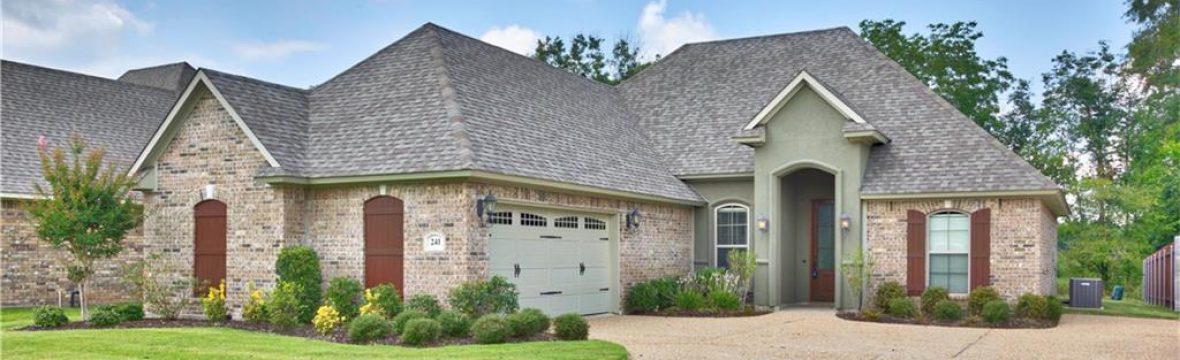
Beautiful 4 Bedroom 3.5 Bath home located in the subdivision of Tiburon, New construction by Jeff Patterson. This home was featured in the Parade of Homes and nit a detail was spared. Every foot of this house has the latest colors and design trends. Kitchen is stunning with upper lighted glass door cabinets and open concept make this truly an entertainers dream. Living room has beautiful coffered ceilings. Remote master suite for you to relax in after a long day.

Licensed in the state of Louisiana. Each office independently owned and operated.


Shreveport Bossier skyline Expert Real Estate Agent Realtor Military veteran buy home sell house Ryan Wheeler moving skyline

Veteran’s Guide to Owning a Home: #2- Prepare Your Finances

Whether it’s your first time or your tenth, buying a home is always a huge decision. There’s no “one size fits all” way to get ready for home ownership, but taking the time to be financial prepared at the beginning helps ensure you’ll be ready when it comes time to make the big decision.

Here are basic steps to help get you started. 

Identify your timeline

Your timeline is always an important factor in creating realistic financial goals that you can achieve before you buy. Military members don’t always have the luxury of advanced planning before a PCS.  So if you know you’ll be transferring in two months, it’s probably unrealistic to try and pay off all your debts and save for a big down payment (although you might not need the latter—more on that in a moment).

And keep in mind, most lenders will typically need at least 30 days to close your loan, so plan accordingly.

Understand the costs of buying a home

Buying a house costs money. Not a surprise, right? But how much cash you’ll need at the outset depends on the type of financing you’re using, where in the country you’re buying, and other similar things.

Your costs and fees may include the following:

  • Down payment: You’ll typically need a 5% down payment for conventional loans. FHA loans require a 3.5% down payment. Qualified veterans and service members may be able to purchase a home without a down payment using a VA loan.
  • Deposit: Buyers often include a deposit, or earnest money, along with their purchase offer. It usually ranges from $100 to $1,000 or more, and can be applied toward the closing costs. Service members who are transferring should talk with a knowledgeable real estate agent about what’s customary at their new duty station.
  • Appraisal and inspection: An appraisal helps establish the fair market value of a property and is typically paid outside of closing. An inspection isn’t required but is almost always a good investment. In the Shreveport-Bossier City area you can expect to pay about $350 for the appraisal and about $300-350 for the inspection.  Many inspectors are military friendly and will give you a discount,  Make sure to connect with me  HERE so I can best help you navigate these waters.
  • Closing costs: There’s a host of costs and charges linked to closing on your purchase, from origination fees and prepaid property taxes to paying for credit reports and more.  Because many military buyers don’t have much in the way of liquid assets or cash paying closing costs can be a burden.  But the cool thing about real estate is that everything is negotiable. Therefore, most military buyers negotiate to have the seller pay some or all of these costs.  However, the ability to do that depends fuller on the seller’s willingness to cooperate and their ability to help.  So if it’s not possible, you will need to pay them yourself.  For a $250,000 home in our area you can plan for closing costs to be around $6,500.

Review Your Income, Debts & Buying Power

Unless you can buy a home with cash you will need a lender to assist you in getting a mortgage.  Do not neglect in this matter and make sure to speak to someone as soon as you know you wish to buy.  The lender will be able to look at your income and current monthly debts to help determine how much home you can afford. The debt-to-income ratio you need can vary depending on the lender, the loan type, and other factors.

Active service members may be able to use the Basic Allowance for Housing (BAH) to qualify for a home loan.

Debt-to-income ratio requirements can vary by lender and loan type. But that doesn’t necessarily mean you should stretch your financial limits.

If your current expenses leave you with little to no savings each month, it might be a good idea to pay down some debts before you buy new home. Keep in mind that home buying also comes with new expenses, including property taxes, homeowners insurance, and maintenance costs which is rolled up in your monthly payment.

One way to prepare for a mortgage payment is to just pretend you already have one. For example, if your current rent is $1,000 but you’re looking at homes with a mortgage payment in the $1,500 range, try saving an extra $500 each month for several months. If your finances feel tight, you might want to consider shopping in a lower price range.

Set financial goals

The more you can strengthen your financial profile, the better your chances are of getting a great deal and making it to closing day. Everyone’s debt and income picture looks different, especially given some of the fiscal challenges of military service.

Here are three key goals to aim for as you ramp up to buying a home:

  • Boost your savings: From down payments and deposits to closing costs and the appraisal, you’ll need cash upfront to land a home loan. Set a budget and look for ways to save money. Bonus: Healthy assets can make you more attractive to mortgage lenders.
  • Pay down existing debts: Reducing or eliminating monthly debts will improve your debt-to-income ratio, meaning you may be able to increase your purchasing power.
  • Remedy possible issues:  These issues can be past-due accounts, outstanding collections, and tax liens which can wreak havoc on your home loan chances. Make a list of any financial skeletons in your closet and decide whether it’s possible to settle them before you start the home-buying process. Some red flags such as judgments and liens will need to be cleared up before you can close on a loan.

No matter your personal situation, make sure you take care of the basics while you’re preparing for homeownership. Set a realistic budget, pay your bills on time, and get a feel for what it’s like to have a mortgage payment.

Stability is key when it comes to showing a lender you’re a good candidate for home financing.

**Ryan Wheeler is an expert real estate agent and military veteran serving buyers and sellers of homes in the Shreveport-Bossier City area.  Connect With Me Here

Article sourced from here

Shreveport Bossier skyline Expert Real Estate Agent Realtor Military veteran buy home sell house Ryan Wheeler moving skyline

Veteran’s Guide to Owning a Home: #1- Check (and Repair) Your Credit

Veterans and military buyers can face unique credit challenges. That’s a big reason why it’s important to get your credit in shape before starting the home-buying process.

What’s the big deal about credit scores?  Ultimately they are symbolic representations of your ability (and your history thereof) to repay your debts.  They’re also a make-or-break requirement for mortgage lenders.

A mortgage credit report will typically contain three scores, one from each of the major credit-reporting agencies: TransUnion, Equifax, and Experian.  Your lender will generally use the median, or the middle, score for the purposes of home loan pre-approval.

Your credit scores can also play a major role in what it costs to borrow. The stronger your credit profile, the more likely you will be able to get financing with a great interest rate.

Credit score requirements aren’t as strict as they once were, however, it can still be tough for some veterans and service members to secure conventional financing. Conventional lenders often require a 660 FICO score, but you’ll usually need a much higher score to access the best interest rates.

The benchmark for VA lenders is usually lower, often around a 620 FICO, and credit scores have far less impact on rates for government-backed loans.

So, with all this in mind, where should you begin?

Create good habits

Depending on how you use it, your credit can make or break your finances. Establishing healthy habits is crucial for building a strong credit profile.

People with excellent credit tend to share some common traits, including the following:

Stay on top of monthly payments:

Slow and steady wins the race here. Remember, it’s all about building a history of on-time payments. Creditors won’t usually report late payments until they’re 30 days past due. Your credit score can continue to take deeper hits as outstanding balances cross the 60-, 90-, and 120-day marks.

Keep credit card balances low:

Having high balances on multiple credit cards tells lenders you’re pushing your credit (and possibly your finances) to the limit. That isn’t a good place to be when you’re thinking about taking on a mortgage. Try keeping your balances under 30% of your credit limit.

Avoid too many credit inquiries

Try to limit hard inquiries on your credit report. These might only cost you a few points, if any, but multiple inquiries within a short period of time can be problematic. Sudden credit grabbing can be a sign of financial instability.

Avoid opening and closing accounts:

When you start thinking about buying a home, it’s best to keep from making big changes to your credit unless you’re absolutely sure of the impact those changes could have on your scores. New accounts come with new monthly obligations that can eat into your house-buying budget. And while it’s usually a good idea to free up space on existing credit accounts by paying them down, closing an account can actually lower your credit scores.

Take care of derogatory trade lines:

Unresolved issues on your credit report can cast a shadow over your home-buying chances. Don’t leave outstanding balances unpaid, and be sure to resolve any matters of public record as soon as possible. Issues such as tax liens and landlord disputes will not only damage your credit scores, they’ll also usually need to be resolved before you can close on a home.

Review your credit report

Consumers have a right to receive three free credit reports each year, one from each of the major reporting agencies. By requesting one report every four months, you can keep an eye on your credit activity throughout the year. You can get your reports and find more resources at AnnualCreditReport.com.

But you might be surprised by what’s not on those reports: your credit scores. Unfortunately, you’ll have to spend money to get a look at anything resembling the credit scores a mortgage lender sees.

While your free report won’t include your credit scores, it can give you a good indication of where you stand and what might need some work. More importantly, keeping track of your credit can tip you off to any errors, outstanding derogatory accounts, or signs of fraud.

Financial scammers frequently prey on veterans, service members, and their families. Keep an eye out for these red flags on your credit report:

  • Discrepancies in your basic information
  • Incorrect address history
  • Accounts you don’t recognize
  • Falsely reported late payments, collections, or items of public record
  • Inquiries that you didn’t initiate

Report any errors or inconsistencies on your report to each of the three major reporting agencies and the creditor. Be sure to do so by phone and in writing.

Paying your bills on time, keeping account balances low, and keeping a close eye on your credit report can go a long way toward helping you build mortgage-ready credit

**Ryan Wheeler is an expert real estate agent and military veteran serving buyers and sellers of homes in the Shreveport-Bossier City area.  Connect With Me Here

Article source here