Bossier City Skyline

Open House, N. Bossier, Sunday Sept 16 from 2-4pm!

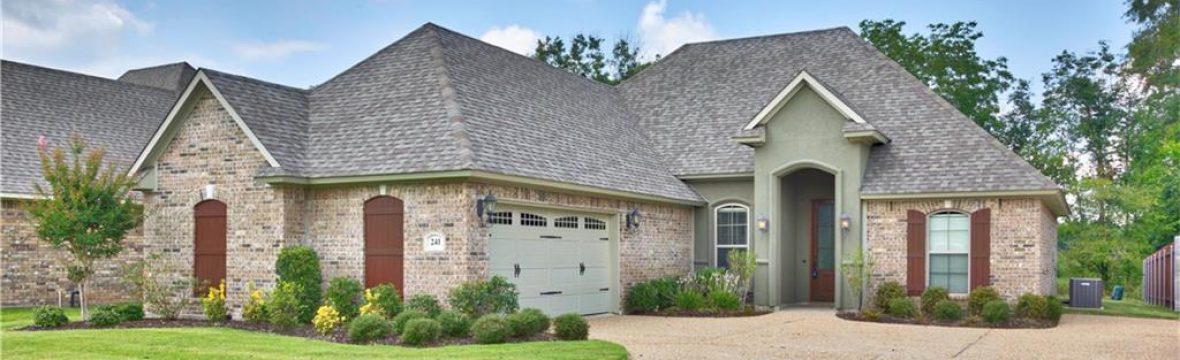
226 Piccadilly Cir, Bossier City, LA

open house

Presented By:

Ryan Wheeler

Realtor
RE/MAX Real Estate Services
318-572-6498
Licensed In: LA
License #: 0995693439

  • Link on Facebook
  • Connect on YouTube
  • Connect on LinkedIn

Logo

$ Click for current price
4 BEDROOMS | 4 (3 full, 1 half ) BATHROOMS | 2774 SQUARE FEET

Beautiful 4 Bedroom 3.5 Bath home located in the subdivision of Tiburon, New construction by Jeff Patterson. This home was featured in the Parade of Homes and nit a detail was spared. Every foot of this house has the latest colors and design trends. Kitchen is stunning with upper lighted glass door cabinets and open concept make this truly an entertainers dream. Living room has beautiful coffered ceilings. Remote master suite for you to relax in after a long day.

Licensed in the state of Louisiana. Each office independently owned and operated.


Shreveport Bossier skyline Expert Real Estate Agent Realtor Military veteran buy home sell house Ryan Wheeler moving skyline

Veteran’s Guide to Owning a Home: #2- Prepare Your Finances

Whether it’s your first time or your tenth, buying a home is always a huge decision. There’s no “one size fits all” way to get ready for home ownership, but taking the time to be financial prepared at the beginning helps ensure you’ll be ready when it comes time to make the big decision.

Here are basic steps to help get you started. 

Identify your timeline

Your timeline is always an important factor in creating realistic financial goals that you can achieve before you buy. Military members don’t always have the luxury of advanced planning before a PCS.  So if you know you’ll be transferring in two months, it’s probably unrealistic to try and pay off all your debts and save for a big down payment (although you might not need the latter—more on that in a moment).

And keep in mind, most lenders will typically need at least 30 days to close your loan, so plan accordingly.

Understand the costs of buying a home

Buying a house costs money. Not a surprise, right? But how much cash you’ll need at the outset depends on the type of financing you’re using, where in the country you’re buying, and other similar things.

Your costs and fees may include the following:

  • Down payment: You’ll typically need a 5% down payment for conventional loans. FHA loans require a 3.5% down payment. Qualified veterans and service members may be able to purchase a home without a down payment using a VA loan.
  • Deposit: Buyers often include a deposit, or earnest money, along with their purchase offer. It usually ranges from $100 to $1,000 or more, and can be applied toward the closing costs. Service members who are transferring should talk with a knowledgeable real estate agent about what’s customary at their new duty station.
  • Appraisal and inspection: An appraisal helps establish the fair market value of a property and is typically paid outside of closing. An inspection isn’t required but is almost always a good investment. In the Shreveport-Bossier City area you can expect to pay about $350 for the appraisal and about $300-350 for the inspection.  Many inspectors are military friendly and will give you a discount,  Make sure to connect with me  HERE so I can best help you navigate these waters.
  • Closing costs: There’s a host of costs and charges linked to closing on your purchase, from origination fees and prepaid property taxes to paying for credit reports and more.  Because many military buyers don’t have much in the way of liquid assets or cash paying closing costs can be a burden.  But the cool thing about real estate is that everything is negotiable. Therefore, most military buyers negotiate to have the seller pay some or all of these costs.  However, the ability to do that depends fuller on the seller’s willingness to cooperate and their ability to help.  So if it’s not possible, you will need to pay them yourself.  For a $250,000 home in our area you can plan for closing costs to be around $6,500.

Review Your Income, Debts & Buying Power

Unless you can buy a home with cash you will need a lender to assist you in getting a mortgage.  Do not neglect in this matter and make sure to speak to someone as soon as you know you wish to buy.  The lender will be able to look at your income and current monthly debts to help determine how much home you can afford. The debt-to-income ratio you need can vary depending on the lender, the loan type, and other factors.

Active service members may be able to use the Basic Allowance for Housing (BAH) to qualify for a home loan.

Debt-to-income ratio requirements can vary by lender and loan type. But that doesn’t necessarily mean you should stretch your financial limits.

If your current expenses leave you with little to no savings each month, it might be a good idea to pay down some debts before you buy new home. Keep in mind that home buying also comes with new expenses, including property taxes, homeowners insurance, and maintenance costs which is rolled up in your monthly payment.

One way to prepare for a mortgage payment is to just pretend you already have one. For example, if your current rent is $1,000 but you’re looking at homes with a mortgage payment in the $1,500 range, try saving an extra $500 each month for several months. If your finances feel tight, you might want to consider shopping in a lower price range.

Set financial goals

The more you can strengthen your financial profile, the better your chances are of getting a great deal and making it to closing day. Everyone’s debt and income picture looks different, especially given some of the fiscal challenges of military service.

Here are three key goals to aim for as you ramp up to buying a home:

  • Boost your savings: From down payments and deposits to closing costs and the appraisal, you’ll need cash upfront to land a home loan. Set a budget and look for ways to save money. Bonus: Healthy assets can make you more attractive to mortgage lenders.
  • Pay down existing debts: Reducing or eliminating monthly debts will improve your debt-to-income ratio, meaning you may be able to increase your purchasing power.
  • Remedy possible issues:  These issues can be past-due accounts, outstanding collections, and tax liens which can wreak havoc on your home loan chances. Make a list of any financial skeletons in your closet and decide whether it’s possible to settle them before you start the home-buying process. Some red flags such as judgments and liens will need to be cleared up before you can close on a loan.

No matter your personal situation, make sure you take care of the basics while you’re preparing for homeownership. Set a realistic budget, pay your bills on time, and get a feel for what it’s like to have a mortgage payment.

Stability is key when it comes to showing a lender you’re a good candidate for home financing.

**Ryan Wheeler is an expert real estate agent and military veteran serving buyers and sellers of homes in the Shreveport-Bossier City area.  Connect With Me Here

Article sourced from here

Shreveport Bossier skyline Expert Real Estate Agent Realtor Military veteran buy home sell house Ryan Wheeler moving skyline

Veteran’s Guide to Owning a Home: #1- Check (and Repair) Your Credit

Veterans and military buyers can face unique credit challenges. That’s a big reason why it’s important to get your credit in shape before starting the home-buying process.

What’s the big deal about credit scores?  Ultimately they are symbolic representations of your ability (and your history thereof) to repay your debts.  They’re also a make-or-break requirement for mortgage lenders.

A mortgage credit report will typically contain three scores, one from each of the major credit-reporting agencies: TransUnion, Equifax, and Experian.  Your lender will generally use the median, or the middle, score for the purposes of home loan pre-approval.

Your credit scores can also play a major role in what it costs to borrow. The stronger your credit profile, the more likely you will be able to get financing with a great interest rate.

Credit score requirements aren’t as strict as they once were, however, it can still be tough for some veterans and service members to secure conventional financing. Conventional lenders often require a 660 FICO score, but you’ll usually need a much higher score to access the best interest rates.

The benchmark for VA lenders is usually lower, often around a 620 FICO, and credit scores have far less impact on rates for government-backed loans.

So, with all this in mind, where should you begin?

Create good habits

Depending on how you use it, your credit can make or break your finances. Establishing healthy habits is crucial for building a strong credit profile.

People with excellent credit tend to share some common traits, including the following:

Stay on top of monthly payments:

Slow and steady wins the race here. Remember, it’s all about building a history of on-time payments. Creditors won’t usually report late payments until they’re 30 days past due. Your credit score can continue to take deeper hits as outstanding balances cross the 60-, 90-, and 120-day marks.

Keep credit card balances low:

Having high balances on multiple credit cards tells lenders you’re pushing your credit (and possibly your finances) to the limit. That isn’t a good place to be when you’re thinking about taking on a mortgage. Try keeping your balances under 30% of your credit limit.

Avoid too many credit inquiries

Try to limit hard inquiries on your credit report. These might only cost you a few points, if any, but multiple inquiries within a short period of time can be problematic. Sudden credit grabbing can be a sign of financial instability.

Avoid opening and closing accounts:

When you start thinking about buying a home, it’s best to keep from making big changes to your credit unless you’re absolutely sure of the impact those changes could have on your scores. New accounts come with new monthly obligations that can eat into your house-buying budget. And while it’s usually a good idea to free up space on existing credit accounts by paying them down, closing an account can actually lower your credit scores.

Take care of derogatory trade lines:

Unresolved issues on your credit report can cast a shadow over your home-buying chances. Don’t leave outstanding balances unpaid, and be sure to resolve any matters of public record as soon as possible. Issues such as tax liens and landlord disputes will not only damage your credit scores, they’ll also usually need to be resolved before you can close on a home.

Review your credit report

Consumers have a right to receive three free credit reports each year, one from each of the major reporting agencies. By requesting one report every four months, you can keep an eye on your credit activity throughout the year. You can get your reports and find more resources at AnnualCreditReport.com.

But you might be surprised by what’s not on those reports: your credit scores. Unfortunately, you’ll have to spend money to get a look at anything resembling the credit scores a mortgage lender sees.

While your free report won’t include your credit scores, it can give you a good indication of where you stand and what might need some work. More importantly, keeping track of your credit can tip you off to any errors, outstanding derogatory accounts, or signs of fraud.

Financial scammers frequently prey on veterans, service members, and their families. Keep an eye out for these red flags on your credit report:

  • Discrepancies in your basic information
  • Incorrect address history
  • Accounts you don’t recognize
  • Falsely reported late payments, collections, or items of public record
  • Inquiries that you didn’t initiate

Report any errors or inconsistencies on your report to each of the three major reporting agencies and the creditor. Be sure to do so by phone and in writing.

Paying your bills on time, keeping account balances low, and keeping a close eye on your credit report can go a long way toward helping you build mortgage-ready credit

**Ryan Wheeler is an expert real estate agent and military veteran serving buyers and sellers of homes in the Shreveport-Bossier City area.  Connect With Me Here

Article source here

Bossier City Skyline

6 Ways to Build Home Equity

Do you want to create a sizable amount of wealth through homeownership? You need to build equity.

Put simply, home equity is the percentage of your home’s value that you own, and it’s key to building wealth through home ownership.  Here we will discuss how to build equity in your home without blowing your budget — and how to access it when you need it.

How much equity do you have?

Equity is easy to calculate when you first buy a home because it’s basically your down payment. For example, if you put $11,250 down on a $225,000 home, your down payment is 5 percent and so is your equity.

According to Inside Mortgage Finance, from 2016 to the first quarter of 2018, most first-time home buyers in the U.S. started with about 7-percent equity. This is encouraging because it shows you don’t need to spend years saving for 20 percent down or more before you buy. Repeat home buyers started with more equity, at about 17 percent.

How to build your equity

We list six of the top ways your home can create wealth for you. Some require time, money — or both.   Your best course of action when making this decision is to contact a reputable local lender who can then help you decide what works best for you.

1. Let your home appreciate

Building equity through appreciation can take a little or a lot of time, depending on the market where you live. With home’s appreciating much as they have been in various markets these past several years homeowners have been ecstatic to see their home values rising right along with it.

Zillow research indicates that the median home value grew from $185,000 in April 2016 to $216,000 in April 2018. Therefore, if you bought a home for $185,000 back in April 2016 with 7-percent down payment of $12,950, then your beginning equity would have grown to a whopping 23 percent by April 2018.  And the Shreveport Bossier City market has been one of these fast growing markets!

In this scenario, we get this number by subtracting what would be your current loan balance ($165,600) from your home’s current value ($216,000).  We would then divide the difference by your home’s current value. One-eighth of this additional 16 percent equity is from paying down your mortgage, and the rest is market appreciation.

However, if you waited two years and bought the same home in April 2018 with a 20-percent down payment of $43,200, you would then start off with 20-percent equity.  But you also would have used 3.3 times more cash to make the purchase. But here’s the funny thing: Your total monthly housing cost would be the same — about $1,050 in both cases.

This example illustrates two things:

First: It shows the absolute power of home appreciation. It’s a lot like buying stock and reaping the benefits as its value rises. But there’s also a difference to be aware of:  With stocks you’ll end up paying capital gains on the increased stock value, you’re exempt from paying taxes on primary-home capital gains up to $250,000 for a single individual or $500,000 for married couples.

Second, waiting to “save enough” isn’t the primary factor in determining if you can afford to buy a home. When it comes to qualifying for a loan, lenders will of course look at your down payment.  But they will also want to know how much you’ll have in cash reserves after closing.  And there are lots of options for low down payments that require minimal reserves.

The primary factor lenders look at is your monthly budget when deciding whether you can afford a home.  A lender will allow you to spend between 43 percent and 49 percent of your income on monthly bills, which is actually on the high side and could strain your budget.

Since 2016, most first-time buyers have spent about 38 percent of their income on housing and other debt, which is a pretty safe cap for budgeting.

2. Make a larger down payment

You can do this but, as we’ve seen, waiting to save extra cash can go against your broader financial interests if you lose the chance to build equity through appreciation. Therefore, you must strike a balance among down payment, monthly budget and savings for other priorities. A good lender can provide rate and market insight to help you do this.

3. Use financial windfalls

A good idea is to take advantage of additional unexpected monies received above and beyond your expected pay: work bonuses, family gifts and inheritances can be used to pay down your mortgage. If you do pay down in lump sums, see if your lender will recalculate (or “recast”) your payment based on the new, lower balance.

4. Make biweekly payments

Make mortgage payments every two weeks instead of once a month. Over the course of a year, this will add up to 13 monthly payments instead of 12. You’ll build equity faster and shave five to six years off a 30-year mortgage. Just make sure your lender isn’t charging extra for processing semimonthly payments.

5. Cut your loan term in half

If you can try to take out a 15-year mortgage instead of a 30-year mortgage.  Doing so will help you build equity twice as fast. A few things to note on this:  You’ll have a significantly higher monthly payment and, because of that, you may have a tougher time qualifying for it.

6. Make home improvements

Look to create meaningful value with big improvements like a new kitchen, additional bathroom or other room additions.  New appliances or cosmetic features like paint are unlikely to increase value. Just make sure the cost of such improvements will create the added value you’re looking for.

How to use your equity

You must borrow or sell your home to use your equity. The three most well-known ways to get to your equity through borrowing are a home equity line of credit (HELOC), home equity loan or cash-out refinance. Compare the pros and cons of each.

Rates are slowly rising right now, so these borrowing options might cost more in the future. Talk to your lender to determine the best approach for you.

**Ryan Wheeler is an expert real estate agent and military veteran serving buyers and sellers of homes in the Shreveport-Bossier City area.  Connect With Me Here

Adapted from an article located here

Bossier City Skyline

What First Time Home Buyers Need to Know: #10- Moving In Tips

Are you a first time home buyer? With so many choices to make and so much at stake, it’s essential that you prepare. For advice, check out the First Time Home Buyer Guide from realtor.com® to learn the 10 steps to purchasing your first home without a hitch.

See the complete article Find out more here

Finally.

You slapped your John Hancock on the closing paperwork. You’re happy with your loan … well, as happy as you can be, considering the magnitude of the debt you just accepted. Stress dreams have mostly subsided, barring the occasional vision of some movers dropping your grandmother’s curio cabinet, shattering this priceless antique while they run off with your money.

Moving can be a pain in the you-know-what. That’s why we’ll share some expert tips and tricks to make the process as easy and pain-free possible.

Find a Mover

Before you lock in a moving company, the first thing you should do is research. Search online to find reviews for local movers. Find out which have the best ratings and then visit their websites.

Once you have your top companies narrowed down, it’s time to start asking questions. Get quotes and compare damage and insurance policies. Find one you trust? Share with them your moving date and lock it down.

To avoid hidden fees and other complications that come along with last-minute bookings, it’s always a good idea to lock in a moving company well before your move. To be extra careful, locking in your company six weeks prior to your moving date is a good goal, but aim for no less than two weeks.

Do repairs and painting first

Before moving in, go through your home looking for any necessary improvements. Is the bedroom wall a nasty shade of taupe? Is the hardwood floor scuffed and dirty? Before your movers start lugging in boxes and placing heavy furniture, get it done.

“If you plan on painting or doing any light repairs, it’s easier to do those things before moving your stuff into the house,” says Kellie Tinnin, a Realtor® in Albuquerque, NM.

Skipping this step now can mean a headache later, when you’re forced to shove furniture into the center of the room just to paint the walls—or even take everything out of the space so you can access those scratched floors.

Hire a cleaner

For the same reason, there’s no better time to thoroughly clean your home than when there’s nothing in it.

“The best gift to yourself is to hire a professional cleaner to give it the once-over before you start to move your personal items in,” says Kinnaird Fox, a Realtor with Sotheby’s in New York City.

Yes, it’s an added expense, but moving into an impeccably clean home is guaranteed to make a stressful transition much happier. After all, wouldn’t it be better if you didn’t have to scrub out the soot and ash from the fireplace yourself—or spend two days on hands and knees polishing the baseboards? As Aziz Ansari‘s character on “Parks and Recreation” would say, “Treat yo’ self.”

Change the locks

As soon as you get the chance, hire a locksmith to change all the locks on your house (don’t forget the back entrance or any other access points). While we’re certain the seller is trustworthy, you never know who else might have keys to your new home. Better to be safe than sorry.

Doors aren’t the only locks that need changing: Buyers who use a community mailbox should make sure to have it rekeyed by the local post office, which should cost about $40 or $50. That’s not much at all for peace of mind that no one is digging through your mail.

Don’t forget the utilities

You don’t want a sudden power outage one month after your move. Even worse is when it’s your own darn fault.

“Many sellers are focused on their new move, and sometimes utilities are forgotten in the mix,” says Fox. By the time you move in, you should get in touch with all of your new providers to switch services to your name. If you’re moving into a standalone house from an apartment, you might be surprised by the variety of utilities you need to set up.

Check with the former owners to determine specifically what you’re paying for and what you need to set up, but expect to pay for water, gas, electricity, and trash—as well as any cable TV or Internet services you desire.

Check in with the HOA

Does your new home have a homeowners association? If so, contact the HOA to make sure everything is up to date. You’ll likely need to fill out transfer paperwork so it has a record of the new ownership. Even great HOAs can be difficult to deal with, requiring meticulous paperwork and cumbersome restrictions, so make sure you understand the bylaws and neighborhood restrictions of your HOA. You don’t want to get off on the wrong foot with your new neighbors, so full knowledge of how the association works is absolutely necessary.

Make a detailed list of your belongings

Moving is a complicated, messy affair—so take the opportunity to make an inventory of your belongings during packing, labeling each box with what’s in it.

“You’ll be grateful for the detailed description of contents stored within the myriad packing boxes that now surround you,” says Fox. There’s a bonus: A home inventory is worth its weight in gold if you have any sort of accident such as a fire, or a natural disaster leaves your home a wreck.

Figure out the best nearby takeout

All done? Boxes in place, furniture in your house—if not in the right spot? Movers gone? The proper way to celebrate is with takeout and beer, eaten on the floor. Do your research ahead of time so you know what you want to eat, and aren’t left scrambling an hour before closing time.

“Know where the best pizza place or takeout is nearby,” says Eileen O’Reilly, a Realtor in Burlingame, CA. “When you are crazy busy with moving in, you don’t want to get hangry.”

Congratulations! You’re finished … until it’s time to sell, that is. In the meantime, though, it’s time to resume doing what this whole journey is all about: enjoying your amazing new digs!

**Ryan Wheeler is an expert real estate agent and military veteran serving buyers and sellers of homes in the Shreveport-Bossier City area.  Connect With Me Here