Putting in an Offer on a Home? Make Sure to Do These Things First

After weeks (or months!) of searching, you finally found a home that feels like the right fit—and you’re ready to make an offer.

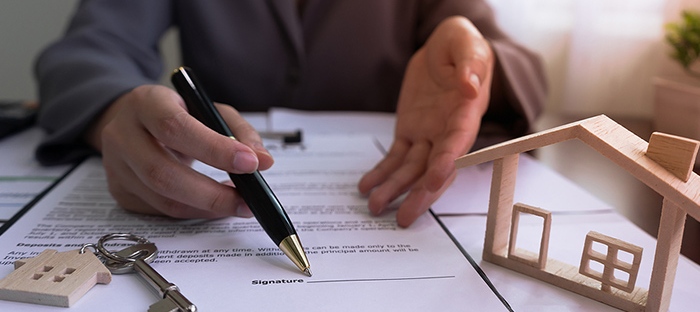
But not so fast! Before you officially make an offer, there are a few steps you’ll want to take to ensure that making an offer is, in fact, the right move—and if it is, that your offer is competitive and has a high likelihood of getting accepted (and getting you into your dream home).

So what, exactly, are those steps? A recent article from realtor.com outlined the key things buyers need to do before submitting an offer on a home, including:

  • Look into the home’s history. The more you know about the home and its history, the better and more competitive you can make your offer—and the more likely it is that the offer will be accepted. So, before you make an offer, ask your real estate agent for information on the listing (for example, how long it’s been on the market and if there have ever been any reductions in price)—and ask them to call the listing agent for additional details about the property (for example, why the homeowners are selling).

  • Research property taxes. The cost of owning a home is more than your mortgage payment. Before you can determine whether you can afford a home, you need to know how much you’ll be paying in property taxes—so make sure you get the information before you make an offer.

  • Take a deeper look at the market. You can’t make a solid offer on a home if you don’t understand what’s going on in the area’s real estate market. Before you make your offer, do some research into the local market to find out what nearby homes are currently being listed at and what they’ve sold for in the past year or so; that way, you can compare prices—and make sure that the home that you’re making an offer on is priced accurately, and your offer is in line with the current state of the market.

**Ryan Wheeler is an expert real estate agent and military veteran serving buyers and sellers of homes in the Shreveport-Bossier City area.  Connect With Me Here
Barksdale AFB Spouses Movers Group | Facebook

With Rents Rising, Does It Make More Sense for You to Buy?

Renting a home has long been viewed as a more affordable alternative to buying property.

But with rent prices rising—and rising fast—that may no longer be the case.

According to the most recent rental data from realtor.com, in September 2021, the median rent in the US was up 13.6 percent year-over-year—the second month in a row with double-digit increases. This rapid increase in rental prices is more than four times the 3.2 percent rental price growth rate in March 2020—just before the COVID-19 pandemic hit the US.

The Takeaway:

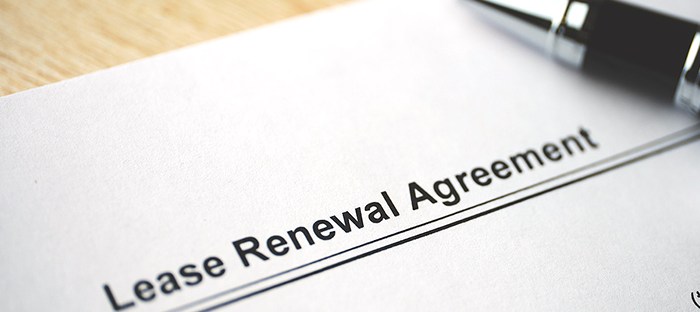
So, what does this mean for you? As rents continue to increase—and rental properties become less affordable—buying a home may not only be a better long-term investment, but in some cases, a less expensive alternative. So if you’ve been thinking about making the transition from renter to homeowner? Now could be a great time to make a move.

**Ryan Wheeler is an expert real estate agent and military veteran serving buyers and sellers of homes in the Shreveport-Bossier City area.  Connect With Me Here

Barksdale AFB Spouses Movers Group | Facebook

Tips to Help You Be a Better (More Successful) First-Time Buyer in This Market

If you’ve never purchased a home before, it can be hard to know what the process will be like. But chances are, you have some ideas about what to expect—but in this real estate market, you may need to reevaluate some of those expectations.

recent article from realtor.com outlined common ideas first-time buyers have about the homebuying process that, in this market, are unrealistic at best (and delusional at worst), including:

  • You can find a mortgage after you find your house. Homes are selling quickly—and if you don’t have your mortgage pre-approved before you start looking at homes, chances are, the home you want will be sold by the time you get your mortgage paperwork in order.
  • If there are issues with the home inspection, the seller will take care of them. It’s a seller’s market. And with so much competition for homes, many buyers are agreeing to tackle any repairs or issues that come up during the home inspection on their own—and others are waiving the inspection altogether. Does that mean that sellers will refuse to make any repairs or improvements after the inspection? No. But be prepared for the seller to only agree to repair major issues.
  • The asking price of a home is about what you can expect to pay for it. Just because a home is listed at a certain price doesn’t mean that’s what you’ll ultimately pay for the home. Bidding wars are commonplace in today’s market—and many homes are selling for well above asking price.

The Takeaway:

So, what does this mean for you? If you’re thinking about buying your first home, it’s important to take a realistic approach to your home search. That way, you know what to expect—and can put yourself in the best possible position to successfully buy a home in this market.

**Ryan Wheeler is an expert real estate agent and military veteran serving buyers and sellers of homes in the Shreveport-Bossier City area.  Connect With Me Here
Barksdale AFB Spouses Movers Group | Facebook

The Most Common Misconceptions Around Building Credit Potential Homebuyers Need to Know

Building good credit is a key element in preparing to buy a home. But there are a lot of misconceptions out there around credit scores, how they work, and how to build and maintain a good one—misconceptions that could actually hurt your credit and make it harder to buy a home.

So what, exactly, are those misconceptions? A recent article from realtor.com outlined some of the most common myths around building credit, including:

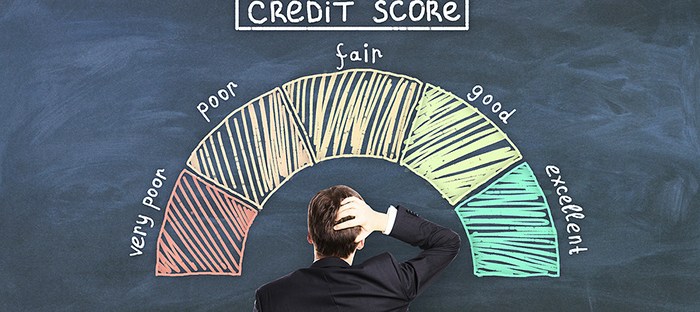
  • Myth #1: You should close your credit cards once you pay them off. While it might seem like a good idea to close a credit card once the balance is paid off (that way, you won’t accrue a new balance), it can actually hurt your credit—since closing a credit card can shorten your credit history, which makes up about 15 percent of your total credit score.
  • Myth #2: An occasional late or missed payment won’t hurt your credit score. Think paying late or missing a payment every once in a while isn’t a big deal? Think again. Your payment history accounts for a whopping 35 percent of your credit score—which means that making your payments on time is an absolute must to build and maintain good credit.
  • Myth #3: Getting a credit report lowers your credit score. In order to build and maintain credit, you need to know what’s going on in your credit report. But many people believe that requesting a credit report will ding their score, preventing them from accessing the information they need. However, this isn’t true; getting a credit report from one of the primary reporting agencies is considered a soft inquiry—and won’t impact your credit at all.

The Takeaway:

So, what does this mean for you? Understanding the common myths around credit will help you avoid making mistakes while building your credit—which can put you in a better position to successfully purchase a home.

**Ryan Wheeler is an expert real estate agent and military veteran serving buyers and sellers of homes in the Shreveport-Bossier City area.  Connect With Me Here

Barksdale AFB Spouses Movers Group | Facebook

Is the Real Estate Sky Falling?! Economist Weighs In…

People often wonder if the “bubble” is going to burst, making home prices tumble.

Sellers worry because it could mean one of (if not the) biggest asset they own could take a beating. Buyers on the other hand hope for some glimmer of deals on the horizon, and maybe a little less competition in the market.

Well, according to a recent article from Yahoo, home prices will drop in the near future and “cause some pain.”

At face value, that sounds like good news for buyers, and painful news for sellers. But let’s unpack what’s being said in that article a little bit more thoroughly. Economist Robert Shiller is cited in the article saying:

  • Prices will eventually drop, and that “They’ll come back down, not overnight, but enough to cause some pain.” (Key words being “eventually” and “some”.)
  • He also stated that there’s no clear explanation for the “hot” market, but “expects it to continue for another year or two.”
  • Lastly, he said that the current market is different from the crisis that caused the last bubble: “So it’s not the same as 2003. It could be stronger. I think we have better protections, we have better supervision of lenders. So I don’t know if we should be worried about 2007, 2008, 2009 happening again.”

In a nutshell, he’s saying prices will eventually come down, but not for a while, and maybe not all that much.

So, how does this affect you, and what should you do?!

  • If you’re a homeowner who wants to sell your home and cash in on your equity for good (i.e. move in with family, to a retirement home, assisted living, or rent), you might want to consider selling in the next year or so, before a dip in prices may occur.
  • If you’re a homeowner and have no plans on moving in the near future, say 5-7 years, none of this matters really. Historically, prices go down and then back up and ultimately higher than before. So, no worries.
  • If you’re a buyer thinking about waiting for prices to drop, you may want to re-evaluate that approach. Rates are still historically low, and prices may not drop for another couple of years. And, when they do drop, who’s to say they won’t drop below the prices you’re seeing now? They could just drop to levels we haven’t even reached yet, but will see in 2022 or 2023.

**Ryan Wheeler is an expert real estate agent and military veteran serving buyers and sellers of homes in the Shreveport-Bossier City area.  Connect With Me Here

Barksdale AFB Spouses Movers Group | Facebook